

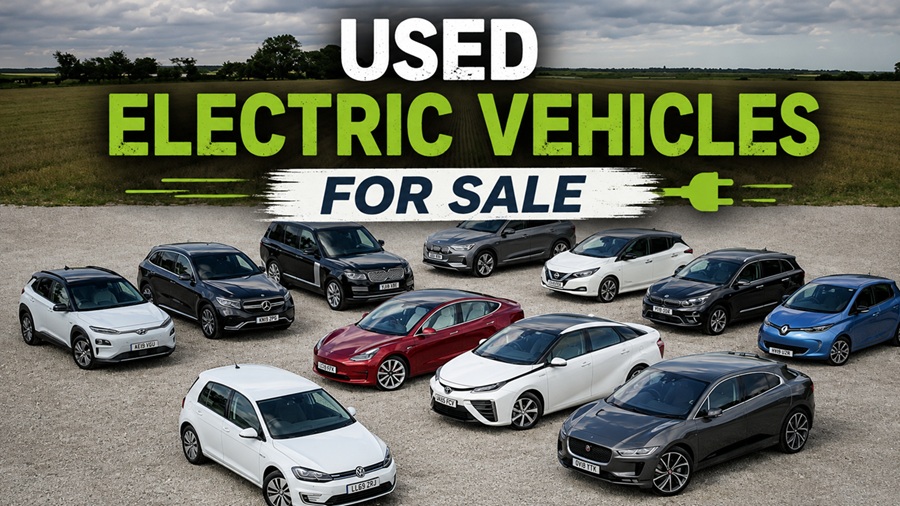

Buying a used electric vehicle can be a smart, money-saving move, since EVs depreciate and a used one costs far less than new, but the single most important thing to check is the health of the battery, because it is the most valuable and important component and its condition determines the car’s range and value. Beyond battery health, a savvy used-EV buyer looks at the remaining range, any warranty still in effect (especially the battery warranty), charging compatibility, service history, and available incentives. With the right checks, a used EV offers low running costs and strong value, but skipping the battery assessment is the one mistake that can turn a bargain into a costly regret.
The used EV market has grown as more electric cars come off leases and trade-ins, giving buyers real choice at lower prices. But shopping for a used EV is different from a used gas car, since the battery, range, and charging matter in ways an engine and fuel tank do not. This guide walks through what to look for, from battery health to warranty and incentives, so you can buy a used electric vehicle with confidence.
| Main appeal | Lower price than new, thanks to depreciation |
| Most important check | Battery health and condition |
| Battery affects | Range, performance, and value |
| Also check | Remaining warranty, especially on the battery |
| Charging | Confirm the port type and charging compatibility |
| Range | Expect somewhat less than when new |
| Incentives | Some used EVs may qualify for incentives |
| Key advice | Never skip a battery health assessment |
Why Buy a Used EV
The biggest reason to buy used is value. Like most vehicles, EVs lose value as they age, so a used electric car can cost significantly less than the same model new, letting you get into an EV for a much lower price. On top of the lower purchase price, EVs are cheap to run, with electricity typically costing less than gas per mile and fewer moving parts meaning less routine maintenance, no oil changes, fewer wearing components, which keeps ownership costs down.
For many buyers, this combination of a lower entry price and low running costs makes a used EV a genuinely smart purchase. You get the benefits of electric driving, quiet operation, instant torque, home charging, at a fraction of the new-car cost. The key is buying wisely, since the one big variable, the battery, needs careful attention to make sure you are getting a good one.
The Battery Is Everything
If you take away one thing about buying a used EV, make it this: the battery is the heart of the car, and its health is the most important factor in the purchase. The battery is the single most expensive component, and its condition directly determines how much range the car has and how much it is worth. Over time and use, EV batteries gradually lose some capacity, a normal process called degradation, so a used EV will typically have somewhat less range than it did when new.
That is not a reason to avoid used EVs, but it is a reason to check the battery carefully. You want to understand the battery’s state of health, essentially how much of its original capacity remains, and how much range the car realistically delivers now. A well-maintained battery with modest degradation is perfectly good, while a heavily degraded one means less range and less value. Assessing battery health is the crucial step that separates a smart buy from a risky one.
What to Check Before Buying
A used EV deserves a thorough inspection tailored to its electric nature, in addition to the usual used-car checks. Running through this list protects you from surprises.
- Battery health, the current state of health and remaining capacity
- Real-world range now, compared to the original rating
- Remaining warranty, especially the battery and powertrain warranty
- Charging compatibility, the port type and supported charging speeds
- Service and maintenance history, and how the car was charged and cared for
- The usual used-car basics: tires, brakes, condition, and accident history
Understanding the Warranty
Warranty coverage is especially important with used EVs because of the battery. Electric vehicles typically come with a separate, longer warranty on the battery and electric powertrain, often lasting many years or a high mileage, and a used EV may still have a meaningful portion of that coverage remaining. This is valuable, since it can protect you against the most expensive potential repair, the battery. When considering a used EV, find out how much of the original battery and powertrain warranty is left, as remaining coverage adds real peace of mind and value. A car still under battery warranty is generally a safer used-EV purchase.
Charging Considerations
Since charging is central to EV ownership, confirm the charging details of any used EV you consider. Check the charging port type and what charging speeds the car supports, so you know it will work with your home setup and the public chargers you will use. Think about your home charging situation, since convenient home charging makes EV ownership far easier, and consider the public charging options in your area and along routes you drive. An older used EV may charge more slowly or use an older connector standard, so understanding its charging capabilities up front ensures it fits your daily life and travel needs.
Incentives on Used EVs
One pleasant surprise for used-EV buyers is that incentives are not only for new cars. Depending on where you live and the specifics of the vehicle and your situation, some used electric vehicles may qualify for incentives that lower the effective cost further. These programs and their eligibility rules vary by location and change over time, so it is worth researching what is currently available in your area and confirming whether a particular used EV and purchase would qualify. Any incentive you can claim stacks on top of the already lower used price, making a used EV an even better value. Always verify current rules, since incentive programs change.
Frequently Asked Questions
What should I check when buying a used EV?
Most importantly, the battery health and remaining range, plus any warranty still in effect, especially on the battery. Also confirm charging compatibility and review the service history, along with the usual used-car checks like tires, brakes, and condition.
Do used electric cars lose range?
Yes, somewhat. EV batteries gradually lose a little capacity over time, a normal process called degradation, so a used EV typically has less range than when new. A well-maintained battery with modest degradation still offers plenty of usable range.
Is the battery warranty important on a used EV?
Very. EVs usually have a separate, longer battery and powertrain warranty, and a used EV may still have coverage remaining. Since the battery is the most expensive component, remaining warranty adds real value and peace of mind.
Can I get incentives on a used electric vehicle?
Possibly. Depending on your location and the vehicle, some used EVs may qualify for incentives that lower the cost. These programs and rules vary and change, so research what is currently available in your area and confirm eligibility before buying.
Inspecting and Test-Driving a Used EV
Once you have found a used EV that looks promising on paper, a careful inspection and test drive confirm whether it is truly a good buy. This is where you verify the battery and range claims and make sure the car drives as it should, so it is worth taking your time.
During the test drive, pay attention to how the car accelerates, brakes, and handles, and note the range readout relative to the charge level to get a sense of real-world range. If possible, have the battery’s state of health assessed, since this is the most important figure, and check that charging works properly on the equipment you will use. A pre-purchase inspection by a technician familiar with EVs can catch issues you might miss and is well worth the modest cost.
Also confirm the practical details: that the charging cable and any accessories are included, that the infotainment and driver-assistance features work, and that the service and charging history look reasonable. Treating a used EV purchase with the same diligence as any used car, plus the EV-specific battery and charging checks, ensures the car you drive home is the bargain it appeared to be.
- Note acceleration, braking, and handling on the test drive
- Watch the range readout relative to the charge level
- Have the battery state of health assessed if possible
- Confirm charging works on your equipment
- Consider a pre-purchase inspection by an EV-savvy technician
Final Thoughts
A used electric vehicle can be one of the smartest buys on the market, pairing a much lower price than new with the low running costs of electric driving. The golden rule is to check the battery: its health determines the car’s range and value, so never skip that assessment. Look also at remaining warranty, charging compatibility, service history, and any incentives you can claim. Do those checks, match the car to your charging situation, and a used EV offers excellent value and years of efficient, enjoyable driving at a fraction of the new-car cost.