

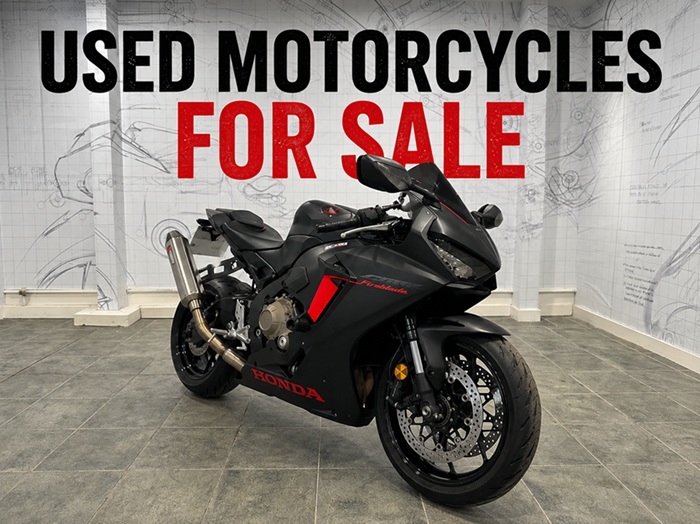

Buying a used motorcycle can be a great way to get more bike for your money, but the key to a good purchase is a careful inspection, a proper test ride, and verifying the paperwork before you commit. A used motorcycle should be checked over thoroughly, tires, chain, brakes, fluids, and signs of damage or crashes, ridden to confirm it runs and handles well, and backed by clean title and service records. Because motorcycles are exposed and often ridden hard, condition and history matter even more than on a car, so patient, thorough checking is what separates a smart buy from an expensive mistake.
The used motorcycle market offers tremendous value, letting you avoid the steep depreciation of a new bike and often afford a better model than you could new. But bikes vary enormously in how they have been treated, so knowing what to look for is essential. This guide covers how to choose the right used motorcycle, what to inspect, how to test ride, the paperwork to verify, and how to negotiate, so you can ride away confident in your purchase.
| Main appeal | More bike for your money, avoiding new depreciation |
| Key steps | Inspect, test ride, verify paperwork |
| Inspect | Tires, chain, brakes, fluids, crash damage |
| Test ride | Confirm it runs, shifts, and handles well |
| Paperwork | Clean title and service records |
| Watch for | Signs of crashes, neglect, or hidden damage |
| Choosing | Match the bike to your experience and use |
| Approach | Be patient and thorough before buying |
Choosing the Right Motorcycle
Before inspecting any specific bike, it helps to know what kind of motorcycle suits you, since the right choice depends on your experience, size, and how you plan to ride. A new or returning rider is generally better served by a manageable, forgiving bike than by a large, powerful one, while your intended use, commuting, touring, sport riding, or off-road, points toward different styles.
- Match the size and power to your experience level, especially as a newer rider
- Choose a style suited to your use: commuting, touring, sport, cruiser, or off-road
- Consider comfort and fit, since the bike should suit your height and build
- Think about running costs, insurance, and parts availability
- Research reliable models with good reputations before shopping
Inspecting a Used Motorcycle
A thorough inspection is the heart of buying a used motorcycle, because it reveals the bike’s true condition and how it has been treated. Go over the bike carefully, ideally in good light and when the engine is cold so you can check cold starting. Look at the major wear items and hunt for any signs of damage or neglect.
- Tires for tread depth, age, and even wear
- The chain and sprockets for wear and proper adjustment
- Brakes, pads, and discs for wear and condition
- Fluids and any signs of leaks around the engine and forks
- The frame and body for cracks, dents, or signs of a crash
- Scratched or scraped bar ends, levers, and pipes that hint at a drop or crash
- Overall cleanliness and upkeep, which reflect how it was cared for
Signs of a Crash or Neglect
One of the most important things when buying used is spotting evidence of a crash or poor maintenance, since these can mean hidden problems. Look closely for telltale signs: scratches or scrapes on bar ends, levers, foot pegs, and exhaust pipes suggest the bike has been dropped or crashed, while bent components, misaligned parts, or fresh paint in odd places can indicate repaired damage. Signs of neglect, like a rusty chain, dirty old fluids, or general grime, suggest the bike was not well maintained. None of these automatically rule out a purchase, but they are red flags that warrant closer inspection, questions to the seller, and a lower price or walking away if serious.
The Test Ride
Whenever possible, take a test ride, since it reveals how the bike actually runs and handles in a way a static inspection cannot. First, watch it start from cold, listening for the engine to fire up cleanly and idle smoothly without unusual noises or excessive smoke. On the ride, check that it accelerates properly, shifts through all the gears smoothly, brakes firmly and straight, and handles without pulling, wobbling, or odd vibrations. Pay attention to any warning lights, strange sounds, or anything that feels off. A bike that runs, shifts, stops, and handles well on a test ride gives you real confidence, while problems that surface here are far better discovered before buying than after.
Checking the Paperwork
The paperwork is just as important as the bike’s mechanical condition, because it confirms you can legally and safely buy it. Verify that the seller has a clean title in their name, with no outstanding loans or liens against the motorcycle, and that the title status is clear rather than salvage, unless you knowingly accept that. Check that the vehicle identification number on the paperwork matches the bike. Ask for service and maintenance records, which show how the bike was cared for and what has been done. Clean paperwork and a documented history give you confidence and protect you from buying a bike with legal problems or a hidden past.
Negotiating and Closing the Deal
Once you have found a good bike, inspected it, ridden it, and checked the paperwork, you can negotiate with confidence based on what you have learned. Research what the model typically sells for so you know a fair price, and use any issues you found, worn tires, a chain due for replacement, or needed service, as reasonable grounds to negotiate. Be polite but firm, and be prepared to walk away if the price or condition is not right, since there are always other bikes. When you agree on a price, complete the sale properly with a bill of sale and the correct title transfer. A calm, informed approach gets you a fair deal and a smooth, legitimate purchase.
Frequently Asked Questions
What should I check when buying a used motorcycle?
Inspect the tires, chain, brakes, fluids, and frame, and look for signs of crashes or neglect. Take a test ride to confirm it runs, shifts, brakes, and handles well, and verify the paperwork, a clean title and service records, before buying.
How can I tell if a used motorcycle has been crashed?
Look for scratches or scrapes on bar ends, levers, foot pegs, and exhaust pipes, which suggest a drop or crash, plus bent or misaligned parts and fresh paint in odd spots. These are red flags warranting closer inspection and questions to the seller.
Should I test ride a used motorcycle before buying?
Yes, whenever possible. A test ride reveals how the bike runs and handles, letting you check cold starting, acceleration, shifting, braking, and handling. Problems that surface on the ride are far better found before buying than after.
What paperwork do I need when buying a used bike?
You want a clean title in the seller’s name with no liens, a title status that is clear rather than salvage unless you accept that, a matching VIN, and ideally service records. Complete the sale with a bill of sale and proper title transfer.
New vs Returning Riders: Buying Tips
Your experience level should shape how you approach buying a used motorcycle, since a first bike calls for different priorities than an upgrade for a seasoned rider. Being honest about your skills helps you choose a bike you can enjoy safely rather than one that outmatches you.
If you are a new or returning rider, lean toward a manageable, forgiving motorcycle with moderate power rather than a large, aggressive machine, since it is easier to learn on and less costly if you drop it. A slightly older, well-kept bike in a beginner-friendly class is often ideal for building skills and confidence. Factor in gear too, since a helmet and proper riding gear are essential parts of the budget, not optional extras.
More experienced riders can confidently target the specific model and performance they want, but the same inspection and paperwork diligence still applies. Whatever your level, buying a bike that fits your ability, your intended riding, and your budget, including gear and running costs, sets you up for safe, enjoyable ownership rather than a purchase you outgrow or struggle with.
- New riders: choose a manageable, forgiving bike with moderate power
- A well-kept older beginner bike is great for building skills
- Budget for a helmet and proper riding gear as essentials
- Experienced riders: target your model but still inspect carefully
- Match the bike to your ability, riding plans, and budget
Final Thoughts
Buying a used motorcycle is a great way to get more bike for your money, as long as you do your homework. Choose a bike suited to your experience and use, inspect it thoroughly for wear and signs of crashes or neglect, take a test ride to confirm it runs and handles well, and verify clean paperwork and service history. Then negotiate from an informed position and close the deal properly. Patience and thoroughness are your best tools, and with them you can find a great used motorcycle that gives you many miles of riding enjoyment.