

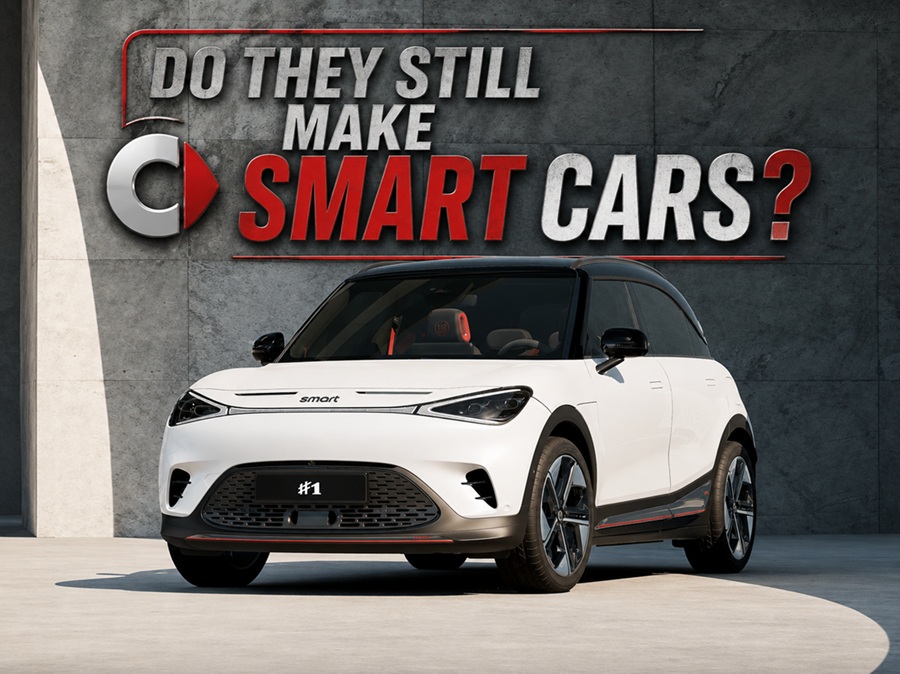

Yes, they still make Smart cars—but not in the way many people remember them.
For years, Smart was best known for the tiny two-seat Smart ForTwo, a compact city car that could squeeze into small parking spaces and turn heads wherever it went. It was quirky, easy to recognize, and built for crowded urban streets. But if you are looking for a brand-new gas-powered Smart ForTwo today, you will not find one. That version of Smart is gone.
The Smart brand still exists, but it has been completely reinvented. Today, Smart is an all-electric car company backed by a joint venture between Mercedes-Benz and China’s Geely. Instead of small gasoline-powered microcars, the company now produces modern electric vehicles, including compact crossovers and SUVs such as the Smart #1, Smart #3, and Smart #5.
So, the short answer is: yes, Smart still makes cars. They are just very different from the tiny Smart cars most people remember.
What Happened to the Original Smart Car?
The original Smart car became famous because of its size. The Smart ForTwo was designed for city driving, especially in places where parking is tight and fuel efficiency matters. Its short length, two-seat layout, and unusual design made it stand out from almost everything else on the road.
However, the ForTwo was always a niche vehicle. Some drivers loved it for its compact footprint and unique personality, but it was not a mainstream choice. In many markets, especially in North America, customers preferred larger vehicles with more space, more power, and better highway comfort.
Over time, Smart struggled to grow beyond its small-car identity. The brand eventually stopped selling gas-powered models and shifted toward electric vehicles. The classic ForTwo was discontinued, marking the end of the tiny gas-powered Smart car era.
For fans of the original, that may feel like the brand disappeared. In reality, Smart changed direction completely.
Smart Is Now an Electric Vehicle Brand
Today, Smart is focused entirely on electric vehicles. This change reflects the larger shift happening across the auto industry. Many automakers are moving away from traditional gasoline engines and investing heavily in EV technology.
For Smart, going electric made sense. The brand was always associated with urban mobility, efficiency, and compact design. Electric vehicles fit naturally into that image, especially in cities where emissions rules are becoming stricter and drivers are looking for practical, clean transportation.
But Smart did not simply turn the old ForTwo into an electric car and stop there. Instead, the brand relaunched itself with a new lineup of larger, more modern EVs. These vehicles are closer to compact crossovers than microcars, which gives Smart a broader appeal in today’s market.
Who Owns Smart Now?
Smart is now operated as a 50/50 joint venture between Mercedes-Benz and Geely.
Mercedes-Benz was already closely connected to Smart from the beginning, but the partnership with Geely gave the brand a fresh start. Geely is a major Chinese automotive company with strong experience in electric vehicles. It is also connected to brands such as Volvo, Polestar, and Lotus.
In the current setup, Mercedes-Benz is mainly responsible for design, while Geely provides the electric vehicle platform, engineering, and manufacturing support. Production is based in China.
This partnership allows Smart to keep a premium design influence from Mercedes while using Geely’s EV technology and manufacturing scale. It is one of the main reasons the brand was able to relaunch with a completely new lineup.
What Smart Cars Are Made Today?
The new Smart lineup looks very different from the old ForTwo. Instead of tiny two-seat city cars, Smart now offers electric crossovers and SUVs.
Smart #1
The Smart #1 is a compact electric crossover and one of the main models in the new lineup. It is much larger than the original ForTwo, with more space, more practicality, and a more conventional shape.
It is designed for drivers who want a small EV with modern features, but who also need more room than the original Smart could offer. The #1 helped introduce the new direction of the brand.
Smart #3
The Smart #3 is another electric crossover, but it has a sportier look. It is often described as a coupe-style SUV because of its sleeker roofline and more dynamic design.
Like the #1, it is fully electric and aimed at buyers who want a stylish urban EV with more personality than a basic compact car.
Smart #5
The Smart #5 is the largest model in the current Smart range. It moves the brand further into SUV territory and shows how much Smart has changed from its microcar days.
This model is aimed at drivers who want more space, more range, and more versatility while still staying within the Smart brand’s electric future.
Smart #2
For people who miss the original tiny Smart, the most interesting upcoming model is the Smart #2. This vehicle is expected to be a spiritual successor to the ForTwo, bringing back the idea of a compact city car but in fully electric form.
The Smart #2 is important because it reconnects the brand with its roots. While the #1, #3, and #5 are larger vehicles, the #2 is expected to return to the small, urban-friendly formula that made Smart famous in the first place.
As with any future vehicle, final details may change, but the plan suggests Smart has not forgotten what made the original car special.
Can You Still Buy a Smart Car in the United States?
No, new Smart cars are no longer sold in the United States.
Smart left the U.S. market after years of limited sales. American buyers generally preferred larger vehicles, and the small ForTwo had a difficult time competing. While the car had a loyal following, demand was not strong enough to keep the brand active in the U.S.
If you live in the United States, you may still find used Smart ForTwo models for sale. These include older gasoline versions and some electric versions. However, you cannot currently buy a new Smart #1, #3, or #5 from a U.S. Smart dealer.
The new Smart EV lineup is mainly sold in Europe, China, and select other markets. Availability may expand or change over time, so buyers should check the latest information for their region.
Why Did Smart Change So Much?
Smart’s transformation was not just a design choice. It was a survival strategy.
The original Smart ForTwo was clever and memorable, but it had limited appeal. It worked well in dense cities, but many drivers wanted more passenger space, cargo room, and highway comfort. At the same time, the global auto market was moving toward SUVs and electric vehicles.
By switching to electric crossovers, Smart entered a much larger and more competitive part of the market. Compact SUVs and crossovers are popular around the world, and electric versions are becoming more common.
The Mercedes-Geely partnership also gave Smart the resources it needed to compete. Mercedes brought design and brand recognition, while Geely brought EV platforms, engineering, and production strength.
In short, Smart changed because the market changed. The brand had to evolve if it wanted to stay relevant.
Is the New Smart Still Really “Smart”?
That depends on what you think made Smart special.
If Smart means a tiny two-seat car that can park almost anywhere, then the current lineup may not feel the same. The new models are larger, more conventional, and aimed at a broader audience.
But if Smart means compact, city-friendly, efficient transportation with a focus on clever design, then the brand still fits the name. The new vehicles are electric, modern, and designed for urban and suburban driving.
The upcoming Smart #2 may help bring back more of the original character. Until then, Smart is no longer just a microcar brand. It is now an electric mobility brand with a more practical lineup.
Frequently Asked Questions
Do they still make Smart cars?
Yes. Smart still makes cars, but the brand now produces electric vehicles instead of gas-powered microcars. Current models include the Smart #1, Smart #3, and Smart #5.
Is the Smart ForTwo still made?
No. The classic Smart ForTwo has been discontinued. However, Smart is planning a smaller electric model called the Smart #2, which is expected to act as a modern successor to the original city car.
Who makes Smart cars now?
Smart is now operated by a joint venture between Mercedes-Benz and Geely. Mercedes handles much of the design work, while Geely provides EV technology, engineering, and manufacturing.
Are Smart cars sold in the U.S.?
New Smart cars are not currently sold in the United States. Used older Smart models may still be available, but the new electric lineup is mainly sold in Europe, China, and selected other markets.
Final Thoughts
So, do they still make Smart cars? Yes—but Smart is no longer the tiny gas-powered car brand many people remember.
The original Smart ForTwo has been discontinued, and the company has reinvented itself as an all-electric brand under a Mercedes-Benz and Geely joint venture. Today’s Smart lineup includes electric crossovers and SUVs such as the Smart #1, #3, and #5, with a smaller Smart #2 planned as a future nod to the original city car.
Smart has not disappeared. It has changed direction. Whether that change feels exciting or disappointing depends on how attached you are to the old ForTwo. Either way, the brand is still alive, still making cars, and now focused fully on the electric future.