

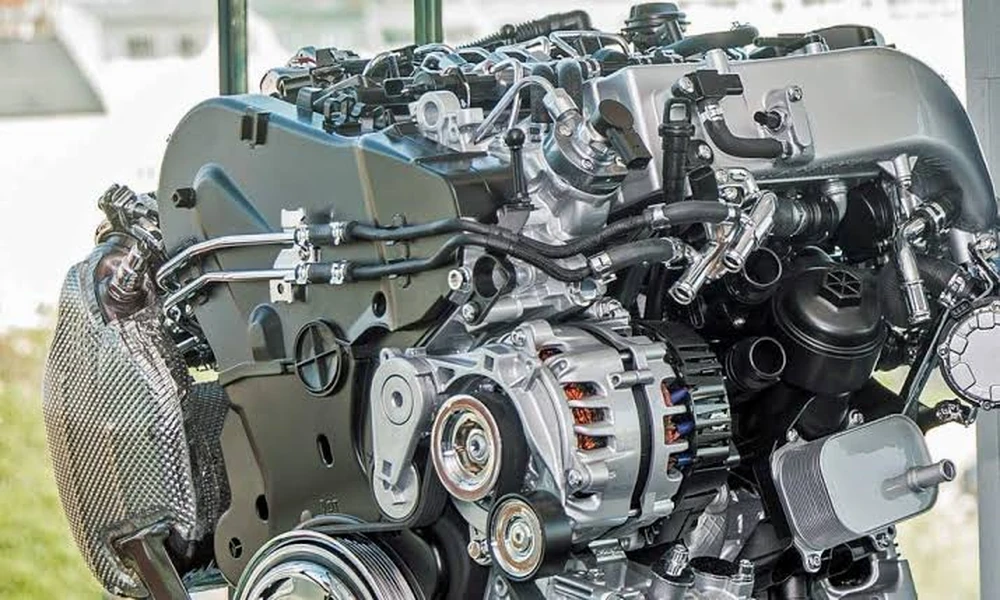

A diesel engine depends on its fuel delivery system to provide diesel to the combustion chamber in a controlled and reliable manner. Unlike petrol engines, diesel engines ignite fuel through the heat created by compressed air. This makes accurate fuel delivery important for combustion, engine performance, efficiency, and emissions.
Because every phase of the engine cycle relies on precise pressure regulation and timing, well-engineered fuel delivery systems ensure that diesel is finely atomized, allowing for maximum thermal efficiency and smoother power output.
Main Purpose of a Fuel Delivery System
A fuel delivery system transports diesel from the tank to the engine at the correct flow and pressure, adjusting fuel supply according to engine speed, load, and changing operating conditions.
Fuel Tank and Supply Components
The process begins in the fuel tank, where diesel is stored before entering the delivery system. A fuel pump moves diesel from the tank toward the engine. Depending on the engine design, additional components may control or increase fuel pressure before the fuel reaches the injection equipment.
Fuel lines connect these components and provide a path for diesel to travel. Any restriction, leakage, or damage in the lines can interfere with fuel flow and affect engine operation.
Fuel Filtration
Clean fuel is essential for protecting diesel injection components. A fuel filter removes dirt, water, and other contaminants that could damage sensitive parts. Since injection systems operate under high pressure and require precise clearances, contaminated fuel can cause accelerated wear.
Regular filter inspection and replacement can therefore help maintain dependable fuel flow and protect expensive injection components.
Injection Pump
The injection pump is one of the most important parts of a diesel fuel system. It prepares and supplies fuel at the pressure and timing required by the injectors. Different engines may use mechanical pumps, rotary pumps, or electronically controlled injection systems.
The pump must work accurately because variations in fuel quantity or injection timing can influence combustion quality. Problems with the pump may result in difficult starting, reduced power, excessive smoke, or increased fuel consumption.
Fuel Injectors
Fuel injectors introduce diesel into the combustion chamber as a finely controlled spray. Proper atomization allows the fuel to mix more effectively with compressed air. The injector must open at the correct time and deliver the appropriate amount of fuel.
Worn or clogged injectors can produce an uneven spray pattern, which may lead to rough engine operation and inefficient combustion.
Electronic Control Systems
Many modern diesel engines use electronic control units to manage fuel injection. Sensors provide information about factors such as engine speed, temperature, and load. The control system uses this information to adjust injection parameters according to operating conditions.
This technology allows manufacturers to achieve more precise fuel management while supporting performance, fuel economy, and emission-control requirements.
Maintenance and Troubleshooting
Regular maintenance helps keep the fuel delivery system functioning properly. Using clean fuel, replacing filters at recommended intervals, checking for leaks, and addressing unusual engine symptoms early can reduce the risk of costly repairs.